User interface design guides how users travel through a website, app, or digital service. When it is done well, visitors can locate what they need quickly, see what to do next, and carry out tasks without difficulty. That becomes the basis of easy digital interactions: a streamlined layout, clear structure, and interaction design choices that feel instinctive instead of confusing.
For businesses that rely on web design, seo services, digital marketing, ai experts, UI is not just a visual layer. It influences usability, user experience, search visibility, conversion rate, and brand trust. A carefully planned interface enhances task completion, builds engagement, and helps a site feel user-friendly across every device. In crowded markets like Syracuse, NY and throughout Central New York, those details can be the reason for a bounce and a lead.
What Creates User Interface Design Easy to Use
Intuitive user interface design helps people comprehend a digital product without needing extra explanation. The goal is to reduce friction by making each step feel easy to follow, simple to move through, and aligned with the user’s customer journey. Good interfaces are not flashy for the sake of it; they are intentional, steady, and focused on clarity.
At the center of intuition is usability. If a page is hard to read, cluttered, or inconsistent, users hesitate. That hesitation weakens engagement and can weaken conversion rate. A accessible interface predicts behavior, shows the right options at the right time, and supports fast task completion. It also creates a greater sense of brand trust because visitors feel that the business understands their needs.
User experience is the larger outcome of those design decisions. If the interface is confusing, even strong content or useful services may go unnoticed. On the other hand, an intuitive structure gives people confidence and keeps them moving through the site. That is why interaction design, visual hierarchy, and consistency are important so much. They help users browse content quickly, find the next step, and stay oriented.
In practice, intuitive interfaces usually share a few traits:
- A simple layout with obvious paths forward Uniform buttons, labels, and page patterns Easy-to-read content with strong clarity and scanability Plenty of whitespace to reduce visual overload Well-structured information architecture that supports decision-making
These choices work together to minimize confusion and improve user experience. When people feel supported instead of forced, they are more likely to engage, convert, and return.
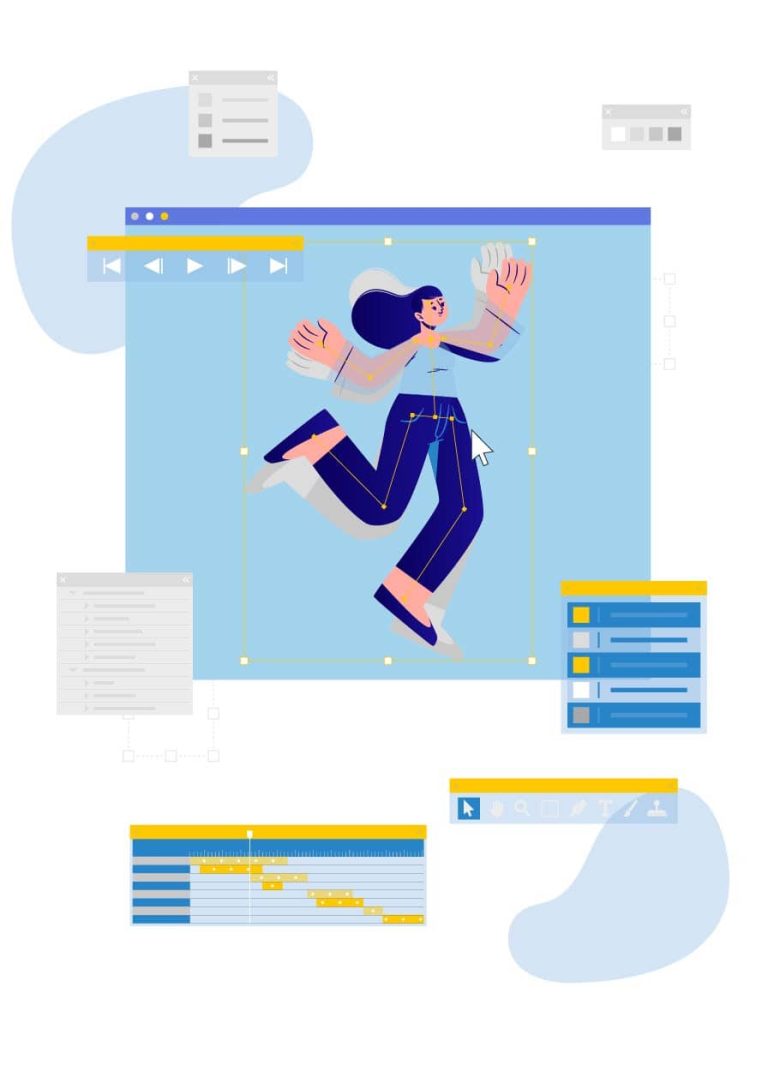
Core Foundations of Web Design for Improved Digital Experiences
Strong web design transforms interface ideas into a workable system. It brings together visual presentation, content structure, and technical performance so the site performs effectively for both users and business goals. For companies trying to boost digital marketing results, the design layer must support both usability and action.
Visual hierarchy is one of the most important principles. It tells visitors what to notice first, what matters second, and where to move next. Headlines, buttons, spacing, and color contrast all guide attention. Without a clear hierarchy, users have to work harder to interpret the page, which adds friction and often hurts conversion optimization.
Responsive design is also essential. People browse on phones, tablets, laptops, and larger displays, so the interface must adapt smoothly. A mobile-friendly design is now essential, especially for users searching on the go. In Syracuse, NY, where seasonal weather can change behavior quickly, mobile usage often becomes even more important in winter months when people are checking hours, directions, service availability, or emergency contact details from their phones.
Accessibility is an essential principle. An accessible site supports more users by making content perceivable and navigable regardless of ability. That includes readable text, strong contrast, keyboard-friendly controls, and meaningful labels. Accessibility improves inclusivity, but it also enhances the overall experience for everyone by making the interface clearer and more dependable.
Successful web design also depends on solid information architecture. When content is grouped logically, users can move through the site with less effort. Navigation patterns should feel familiar, whether someone is looking for services, pricing, contact details, or support. The structure should make the site easy to explore without hire fractional COO small business overwhelming the visitor.
When web design is built around these principles, it supports both engagement and business outcomes. A site that is easy to use keeps attention longer, reduces abandonment, and creates a more compelling path to action.
How SEO Solutions and UX Complement Each Other
SEO services and visitor experience are often treated as different disciplines, but they perform best together. Search engines reward pages that satisfy users, and users stay longer on sites that are organized well. That overlap makes UX a key part of SEO performance.
Page structure is the bridge between the two. A clear structure helps search engines understand the content hierarchy while also helping visitors find what they need. Pages should be grouped in a way that reflects what people are looking for and common user questions. If a site is built around how real people search, it becomes simpler to rank and easier to use.
User intent matters because users arrive with different goals. Some want information, some are weighing options, and others are ready to contact a business. Well-planned SEO services align pages with those intents so each page serves a specific purpose. That alignment reduces bounce rate and improves the chance that the visitor takes the next step.
Cross-linking is another important connection between SEO and UX. Links should lead readers to related pages in a natural way. This helps search visibility and supports navigation by showing users where to go next. When internal linking is intentional, it also reinforces topical relevance and helps share link equity across the site.
For local businesses in Central New York, local SEO adds another layer. A site needs to communicate geographic relevance, service area, and trust signals clearly. A cleanly organized interface can highlight Syracuse, NY service pages, nearby areas, and location-specific content without making the page feel cluttered. That is especially helpful in crowded local markets where businesses are fighting for visibility in search results and in maps.
Search optimization and user experience both improve when the website answers real questions quickly, uses clear structure, and makes the path from search result to action feel effortless.
When SEO services and UX are aligned, the result is improved search visibility, higher engagement, and a more seamless journey from discovery to conversion.
Applying online promotion objectives to Guide Interface Decisions
Campaign goals should influence interface decisions from the beginning. The site is often the hub of campaigns, so every page should serve a business objective such as lead generation, sales, appointment booking, or community awareness. The interface should not just look polished; it should assist users move toward a measurable outcome.
Conversion optimization depends on this connection. If the page layout hides important details, makes forms difficult, or buries the call to action, the user may leave before taking action. A strong interface makes the next step easy to see. That might mean a request-a-quote button, a schedule-now prompt, or a contact form that appears at the right moment in the customer journey.
Campaign landing pages are especially important because they often carry a single message tied to a campaign. Their purpose is to match the audience’s intent and limit distractions. Good landing pages use visual hierarchy, direct copy, and a focused offer to improve task completion. They also support clarity by avoiding unnecessary options that compete with the main conversion goal.
The call to action should be specific, easy to spot, and easy to act on. Generic phrasing can weaken response because users are not sure what happens next. Stronger language makes the value clear and builds confidence. A clear call to action is not just a design detail; it is a conversion tool.
Online marketing also benefits from consistency across channels. If an ad promises one thing and the landing page feels unrelated, trust drops fast. The interface should reflect the same messaging, tone, and brand experience used in email, paid search, and social media. That consistency improves brand trust and reduces friction.
For local businesses, this matters even more. A Syracuse, NY restaurant, contractor, healthcare provider, or service company may be competing with nearby suburbs and regional providers. If the interface supports local relevance, clear offers, and fast action, it becomes easier to win attention and convert it into real business outcomes.
How AI Experts Enhance Interface Design Workflows
AI experts are increasingly important in today's interface design workflows. They help teams evaluate behavior, sharpen patterns, and develop more personalized experience paths without sacrificing usability. Used well, AI supports design decisions rather than replacing human judgment.
One of the most valuable uses of AI is personalization. Different users may need different content, prompts, or routes through a site. AI can help tailor recommendations, surface relevant content, and adjust messaging based on behavior. That kind of personalized experience can improve engagement and conversion rate when it is handled carefully and transparently.
Predictive analytics also helps designers make better decisions. By reviewing behavior patterns, AI experts can identify where users hesitate, where they drop off, and which interface elements may be causing confusion. This creates a more informed design process and helps teams focus on the highest-impact changes.
Automation can streamline repetitive work in design workflows. For example, AI tools may assist with content variations, layout analysis, testing ideas, or customer support prompts. This gives teams more time to refine strategy, improve usability, and maintain consistency across the design system.
That said, AI should support interaction design, not override it. A good interface still depends on human understanding of context, audience, and business goals. AI can help surface patterns, but it takes experienced design thinking to turn those insights into intuitive digital experiences.
For companies in Syracuse, NY and Central New York, AI can be especially useful when teams are balancing limited resources with the need for stronger digital performance. It can help local businesses move faster while still protecting clarity, accessibility, and brand trust.
Crafting for the Syracuse, NY Visitors with Regional Needs
Syracuse, NY is a m中心 for local businesses serving Central New York customers, and that local context should shape UI decisions. A website that functions for one audience may not work as well for another, especially when service areas, seasonal needs, and trust expectations differ. Local design should feel recognizable, functional, and easy to use.
One important factor is community familiarity. People in Syracuse and nearby towns often prefer businesses that feel local, responsive, and aware of regional needs. Interface choices can support that feeling by highlighting local contact details, service areas, office locations, and neighborhood references in a straightforward and respectful way. That creates a stronger sense of proximity and relevance.
Seasonality matters too. Winters in Central New York can affect how users interact with websites. During colder months, people may be browsing on mobile devices while traveling, dealing with weather disruptions, or looking for quick answers. That makes mobile-first design, page speed, and easy-to-tap navigation especially important. A slow or awkward mobile experience can create unnecessary friction at the exact moment a user needs help.
Local businesses also face competition for local search visibility. If a site does not clearly support local SEO, nearby competitors may capture the click instead. UI design can help by making location pages easy to find, service area content easy to understand, and contact pathways easy to complete. That blend of usability and relevance supports both search visibility and conversions.
Serving both city and suburban audiences in Central New York also requires flexibility. Some users want a fast answer from downtown Syracuse; others are coming from surrounding communities and want reassurance that the business serves their area. The interface should reflect that range without becoming cluttered. Clear content structure and thoughtful navigation patterns make it possible to serve multiple audience segments well.
Typical interface Problems That Hurt interaction
Despite strong brands can suffer engagement when their interface causes unnecessary tension. Frequent UI mistakes often seem small, but they can have a significant effect on task completion, conversion rate, and trust.
Menu problems are among the most widespread issues. If menus are too deep, labels are unclear, or paths to key pages are inconsistent, users get frustrated. Effective navigation patterns should feel predictable and easy to explore. Visitors should not have to guess where important information lives.
Load speed is another important issue. Slow pages interrupt flow and reduce patience, especially on mobile. Site speed affects the user experience and can also influence search visibility. If a page takes too long to load, people often leave before they ever see the content. Better page speed helps keep attention and supports smoother interaction design.
Form usability also counts more than many teams realize. Forms that ask for too much, use confusing fields, or fail to explain errors can block conversions. The best forms are short, clear, and easy to complete on any device. They support task completion instead of becoming a barrier.
Content clarity is equally essential. If headings are vague, body copy is overloaded, or the page tries to say too much at once, users lose the thread. Clear writing supports usability because it helps people understand the offer, the next step, and the value of taking action. Good content and good design should reinforce each other.
When these issues are fixed, engagement often improves because the interface becomes easier to trust and easier to use.
How to Assess Whether Your Interface Feels Intuitive
You cannot improve what you do not measure. To know whether your interface feels intuitive, you need data that shows how real users behave. Analytics is the starting point because it reveals patterns in engagement, exits, and conversion paths.
Exit rate can be useful when interpreted carefully. A high bounce rate may suggest that visitors are not finding what they expected, especially on landing pages or service pages. It can also indicate slow load speed, weak clarity, or a mismatch with search intent. While bounce rate alone does not tell the full story, it is a valuable signal when paired with other metrics.
Task completion rate is among the clearest measures of how effective the interface is. If users can find a phone number, submit a form, book an appointment, or complete a purchase without confusion, the interface is doing its job. Better task completion suggests the design supports the customer journey rather than interrupting it.
Split testing helps teams compare different versions of a page or interface element. You can test headlines, buttons, layouts, form designs, or content structure to see what better supports conversion optimization. This testing method works best when the goal is specific and the sample is large enough to produce meaningful results. It turns assumptions into evidence.
Data analysis should also be reviewed alongside qualitative feedback. Heatmaps, session recordings, surveys, and usability testing can reveal why users behave a certain way. That combination helps teams identify whether a problem is caused by navigation, content clarity, design hierarchy, or mobile usability.
When measurement becomes part of the process, user interface design becomes more strategic. It is no longer just about appearance; it becomes a system for improving engagement, conversion rate, and overall digital performance.
FAQ: User Interface Design for Intuitive Digital Experiences
What is user interface design for intuitive digital experiences?
User interface design for intuitive digital experiences is the process of shaping a website or app so people can understand it quickly and use it easily. It focuses on usability, clarity, accessibility, navigation patterns, and interaction design so users can complete tasks with minimal friction.
How does web design improve usability and conversions?
Web design improves usability and conversions by organizing content clearly, highlighting the right actions, and creating a clean layout that feels easy to navigate. Strong visual hierarchy, responsive design, and mobile-first design help users move through the site with less effort, which supports better task completion and conversion rate.
Why should SEO services and UI design be aligned?
SEO services and UI design should work in harmony because both depend on how well users and search engines can understand a site. Effective site architecture, search intent alignment, and internal linking improve search visibility while also making the site more usable. When the two support each other, the result is stronger visitor quality and stronger engagement.
How can AI experts help optimize interface performance?
AI experts can help optimize interface performance by studying user behavior, supporting personalization, and identifying patterns through predictive analytics. They can also use automation to simplify testing and workflow tasks. The best results come when AI guides human design judgment rather than replacing it.
What should Syracuse, NY businesses prioritize in UI design?
Syracuse, NY businesses should prioritize mobile usability, local SEO support, page speed, clear calls to action, and a design that matches Central New York expectations. Because local businesses serve both city and suburban audiences, the interface should communicate relevance, build trust, and make it easy for users to act fast.